Peptide Purity Testing: How Researchers Validate Top Quality
Peptide Launch Qc Screening Services Bio-synthesis One of the most strict quality, entailing cautious HPLC filtration-- sometimes numerous rounds-- and strenuous QC. Required Cold Chain Shipping for measurable research studies, structural biology, in vivo research study versions, and any kind of application where also small amounts of contamination could impact outcomes. This is the quality where the cost increases most dramatically, because achieving that last 1-- 3% of pureness needs discarding a substantial fraction of the manufactured product. A useful assay gauging downstream signaling-- or an architectural research making use of NMR or X-ray crystallography-- demands the highest purity available. Crystallographers specifically typically call for ≥ 98% purity due to the fact that also small impurities can avoid crystal formation or introduce condition into the crystal latticework. The reproducibility crisis in biomedical study is well-documented.
Peptide testing is the analytical process used to validate that a research study peptide is both pure and appropriately recognized.
This is especially appropriate for injectable peptides where the administration route bypasses typical protective barriers.
Given the appeal of substances gone over in resources like the semaglutide versus tirzepatide contrast, confirmation ensures study with the intended compound.
When a peptide is 98% pure, that remaining 2% isn't arbitrary noise-- it specifies, identifiable sorts of results.
Peptide purity screening is among the most essential parts of research peptide quality control.
HPLC divides the target peptide from impurities, quantifying purity.
Lower purity-- say, 90-- 95%-- presents a meaningfully larger impurity profile that might complicate analysis of study outcomes. Recognizing how to critically review a COA-- and what the numbers in fact suggest-- is consequently a basic study expertise. This short article is offered academic and study recommendation objectives just.
Vendor Credentials Process
HPLC is just one of one of the most frequently utilized techniques in peptide purity testing. If you see numerous large peaks of similar elevation, you're looking at either a low-purity sample or a combination. If the primary top has a visible "shoulder"-- a bump on one side-- that frequently suggests a closely relevant contamination (like a deletion peptide) that the column couldn't fully solve. The peptide is passed through an easy purification step (frequently gel purification or a fast reversed-phase clean-up) to get rid of salts, small-molecule results, and scavengers from the cleavage action. We incorporate LC-MS/MS and chemical food digestion analysis to specifically verify the series and adjustment websites of non-natural changed peptides. Peptides, with long molecular series and diverse conformations, existing challenges for structure verification and web content decision. BOC Sciences leverages high-resolution mass spectrometry, LC-MS/MS, and NMR to properly examine molecular frameworks and offer very sensitive quantitative support. Their commitment to lot-specific verification makes sure that every vial satisfies a rigid 99% purity threshold, making them one of the most trusted name for high-stakes artificial insemination research. The typical technique for endotoxin screening is LAL Examination (Limulus Amebocyte Lysate assay). This assay detects endotoxin activity at very low levels Learn more and reports causes EU/ml (Endotoxin Units per milliliter) or sometimes EU/vial. This is why peptides are commonly used at various pureness grades. Carefully related to truncations, deletion peptides are full-length chains that are missing one amino acid someplace in the middle. If covering isn't completely efficient, an uncoupled chain can continue to lengthen in subsequent actions, creating a peptide that's only one residue except the target. These can be particularly bothersome since their chromatographic actions is very comparable to the target peptide, making them more challenging to separate during purification.
Where can I send my peptides to test for pureness?
ACS Peptide Testing Labs is a professional peptide analysis research laboratory that approves examples from all 50 states. Whether you require to examine peptide purity, verify a supplier''s Certificate of Analysis, or run thorough pollutant testing, our laboratory provides quick, accurate outcomes with comprehensive coverage.
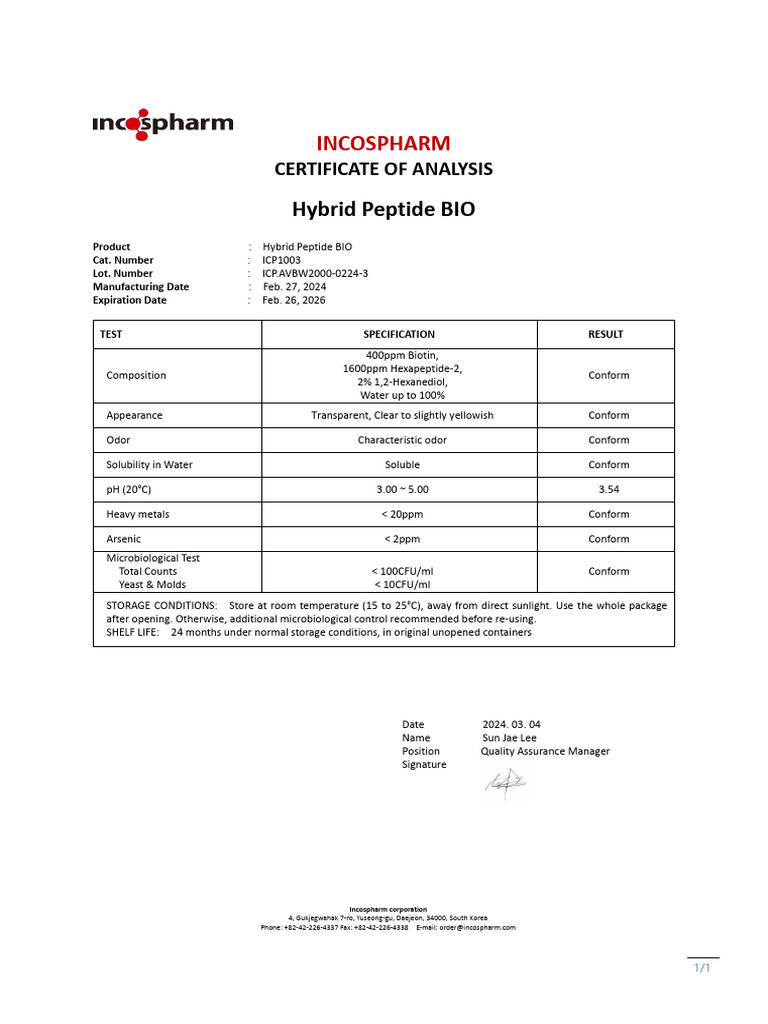
In method, this usually includes third-party or independent screening by an outside lab to verify that a peptide product really includes what the tag claims [2] Unlike a manufacturer's internal testing, independent third-party laboratory recognition is unbiased and supplies impartial outcomes, adding integrity with unbiased analytical data. Ensuring that each batch goes through correct lab testing helps validate the peptide's authenticity and pureness, which is essential for both research study validity and security.
Exactly How Do You Confirm Peptide Pureness And Identification?
The why laboratories pick Palmetto Peptides article goes over high quality criteria in even more detail. These independent facilities supply the logical verification that separates genuine items from fakes, accurate concentrations from diluted compounds, and pure peptides from contaminated ones. Comprehending exactly how these labs job, what examinations they perform, and when to use them transforms you from a hopeful purchaser right into an educated researcher. At Lead Laboratory, our peptide pureness screening harnesses sophisticated analytical methods to ensure the greatest requirements of precision and dependability. From sample preparation to final reporting, we make certain every peptide fulfills strenuous high quality benchmarks, empowering your study and healing growths with self-confidence. HPLC is outstanding at addressing the question "just how pure is this example by chromatographic area percent? We employ GC-MS, ICP-MS, and various other approaches to spot pollutants, guaranteeing item security and regulative compliance. The appropriate peptide moves with the column in a predictable means, while unwanted products-- such as leftover pieces, harmed peptides, or contaminations-- move in different ways. As each substance leaves the column, a detector determines it and records the result as a top on a chart called a chromatogram. All products offered by Palmetto Peptides are intended for research study and lab make use of just.